Home Audio Video Lesson 1 2 3 Biography Press Photo Quotes Links Store
Artist Web Sites
Gear
BotK on Radio
BotK on the Web
Today's Decanic Image
|
 1. Ruins 12:15
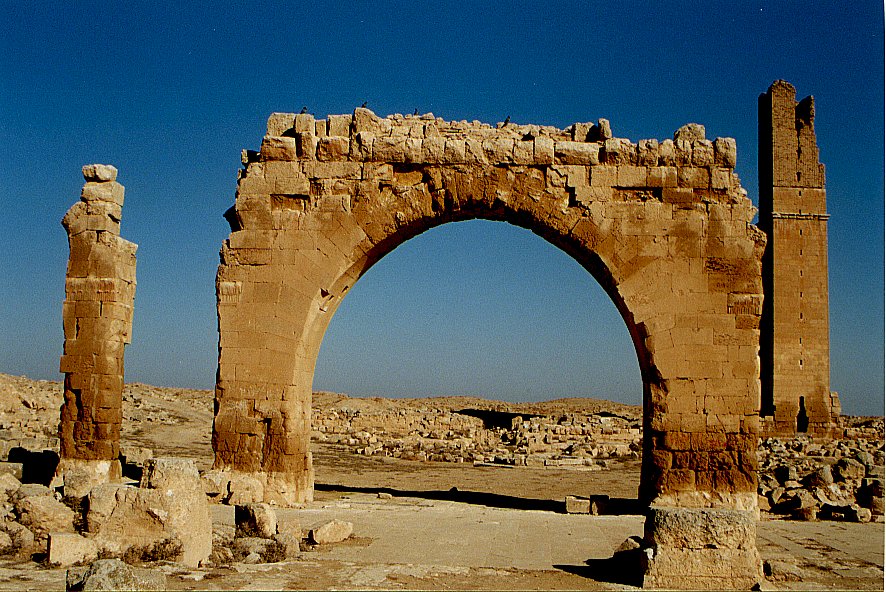
2. Gallabalba 2:17 3. Inland Sea 3:09 4. Book of the Key 23:24 5. Hymn To Helios 3:31 6. Balinus 3:58 7. Saturnalia 3:58 8. From Towers to the Dome of Heaven 2:08 9. Hikmat al-Ishraq 16:17 10. Oracle 2:22 Song excerpts are also at the new audio page. Ruins—Anthony Curtis (guitars and oud), Tony Levin (bass), Mike Keneally (Fender Rhodes), Jeff Gauthier (violin), Lewis Pragasam (drums), Ronan Chris Murphy (harmonium). "Ruins" is an homage to Umm Kulthum. Thanks to Abdul Wahad Al Malawi for turning me onto Umm Kulthum who is the Billy Holiday/John Coltrane of the Middle East. In particular “Ruins” recalls elements of the call to prayer (al-adhan) which I heard five times a day when I lived in Qatar. Thinkers such as Suhrawardi, Najm al-din al-Kubra, and Hafiz point to the theurgic elements of the call to prayer and prayer in general. The generous palatte of the nine-note scale is beautiful; it points to the ancient Greek theory of the nine muses. The old way of propitiating the Gods with music went to Harran (Carrhae) with the final Platonic fathers and was later carried to the Islamic intellectual center that was Baghdad. The sacred melodies are still used in the Islamic tradition. Gallabalba—Anthony Curtis (guitar), Tony Levin (Chapman Stick), Lewis Pragasam (drums): about as heavy as a trio gets. The name is a Vox Mystica from the Papyri Graecae Magicae meaning Fire Driver which seems to describe Tony’s Chapman Stick playing here. The name refers to the unending energy of the solar God. Contained within the PGM is a ritual of theurgic elevation known as The Mithras Liturgy where this name appears. Inland Sea—Anthony Curtis (guitar) Tony Levin (bass) Jeff Gauthier (violin) Lewis Pragasam (drums). This song is a tonal ballad that combines elements of Ikwan Al-Safa or Sufi lines and Western harmony. The Inland Sea is ultra-serene, the most quiet of places. It separates Saudi Arabia and Qatar and is only accessible through the trackless desert. Book of the Key—Tony Levin (Chapman Stick), Anthony (guitars, oud), Jeff Gauthier (violin), Mike Keneally (Fender Rhodes), and Lewis Pragasam (drums). Pure fusion to very progressive rock. Book of the Key is a cinematic piece modeled on the journeys of Homer’s Odysseus and Apuleius’ Lucius from The Golden Ass. Hymn To Helios—Anthony Curtis (guitar), Tony Levin (Chapman Stick), Lewis Pragasam (drums), Jeff Gauthier (violin), Ronan Chris Murphy (harmonium). An offering of feedback. The Emperor Julian was the last Roman emperor fully devoted to Helios. Another luminous hymn to an Olympian God by the great Platonic father, Proclus. Balinus—Anthony Curtis (guitar), Tony Levin (bass), Lewis Pragasam (drums), Jeff Gauthier (violin). Balinus is the Arabic name for Apollonius of Tyana. An initiator like Hermes, Thoth, or Gabriel. Saturnalia— Anthony Curtis (guitars), Tony Levin (Chapman Stick), Lewis Pragasam (drums), Jeff Gauthier (violin). Depth, but with the kind of assurance you get in a rock song. Power-house playing from Tony and Lewis. The center of the song is a mean point between two polarities. A significant part of the vocabulary of the song is based on tritone harmony and all-interval chords. It’s like chaining together heaven and earth or making a bridge to span water. Macrobius described the winter rites and festivities of the ancient Romans. Saturnalia was also known as the best of days. From Towers to the Dome of Heaven—Anthony Curtis (acoustic guitar), Lewis Pragasam (percussion), Jeff Gauthier (violin). This song is for those who died on September 11, 2001 in the belief that while their bodies may have fallen to the earth, they themselves were escorted to the highest heavens. The principle of love causes wholeness and a conversion to our best selves. Hikmat Al-Ishraq—Anthony Curtis (guitars), Tony Levin (bass), Lewis Pragasam (drums), Mike Keneally (Fender Rhodes). The science of light combines fusion playing with metal and like Book of the Key invokes the experiences of the wayfarer. Worlds within worlds could be the summation of the song. Here as elsewhere Ronan Chris Murphy has guided the sounds, setting them in their own unique spaces with his unique and clear vision. The big ears award goes to Ronan. Oracle—Anthony Curtis (guitar), Tony Levin (bass), Lewis Pragasam (drums), Jeff Gauthier (violin). Collections of oracular sayings attributed to various deities, particularly Apollon, existed in the ancient Greco-Roman world. Among the collections, the Greek hexameters known as The Chaldean Oracles are one of the main sources of theurgic practice. They were recorded by the two Juliani: Julian the Chaldean, and his son Julian the Theurgist, contemporaries of Apuleius. Proclus is said to have claimed that the essence of Platonism could be largely restored with two texts, Plato's Timaeus and The Chaldean Oracles. As with so many other Platonic texts, after being expelled from the west and traveling to Harran, they transformed into The Magical Oracles of Zoroaster, and found a home in the mystical east. In the 11th century, Michael Psellus revived a critical tradition around the Oracles and wrote various commentaries. In the 14th century, Gemistos Plethon transmitted the Oracles to Marsilio Ficino and in that way they reentered western consciousness. Ficino played the critical role in reintroducing the esoteric mystic roots of Platonism that had been violently suppressed and forgotten.
 This page maintained by Field of Sound Send email |
 Photo Galleries