

rcwrt.org
Elaine Duckworth, President Gary Cowardin, Editor 2508 Hanover Avenue 1404 Lorraine Ave. Richmond, VA 23220 Richmond, VA 23227-3735 gingerel_2000@yahoo.com cowardin@juno.com4602 Cary Street Road, 23226. A parking lot is available behind the church with an entrance off the parking lot to the right and up a few steps into the DINING HALL on the left.
"Battle of Glendale" by Doug Crenshaw MEETING CANCELED DUE TO SNOW 7:30pm, Tuesday, December 11, 2018, at the First Presbyterian Church, Richmond, VA.,
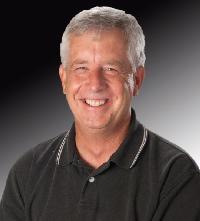 Doug Crenshaw studied history at Randolph-Macon College and the
University of Richmond. A volunteer for the Richmond National
Battlefield Park, he is a Board member of the Richmond Battlefield
Association, a member of the Richmond Civil War Roundtable, and is a
speaker, presenter and tour leader. His book, Fort Harrison and The
Battle of Chaffin's Farm, was nominated in the nonfiction category for a
Library of Virginia Literary award. Doug has also written The Battle of
Glendale: Robert E. Lee's Lost Opportunity, and It Shall not be Given
Up! a survey and tour of the Seven Days campaign, which was a finalist
for the Army Historical Foundation Distinguished writing award. Doug is
currently working with Drew Gruber on an ECW book on the Peninsula
Campaign, and with Bert Dunkerly on one about Civil War Richmond.
Meeting Attendance for November: 61 (dinner)
NOTE: Please put on your NAME BADGE on when you arrive for the meeting.
(They will be on a table near the back or side of the room.)
Doug Crenshaw studied history at Randolph-Macon College and the
University of Richmond. A volunteer for the Richmond National
Battlefield Park, he is a Board member of the Richmond Battlefield
Association, a member of the Richmond Civil War Roundtable, and is a
speaker, presenter and tour leader. His book, Fort Harrison and The
Battle of Chaffin's Farm, was nominated in the nonfiction category for a
Library of Virginia Literary award. Doug has also written The Battle of
Glendale: Robert E. Lee's Lost Opportunity, and It Shall not be Given
Up! a survey and tour of the Seven Days campaign, which was a finalist
for the Army Historical Foundation Distinguished writing award. Doug is
currently working with Drew Gruber on an ECW book on the Peninsula
Campaign, and with Bert Dunkerly on one about Civil War Richmond.
Meeting Attendance for November: 61 (dinner)
NOTE: Please put on your NAME BADGE on when you arrive for the meeting.
(They will be on a table near the back or side of the room.)
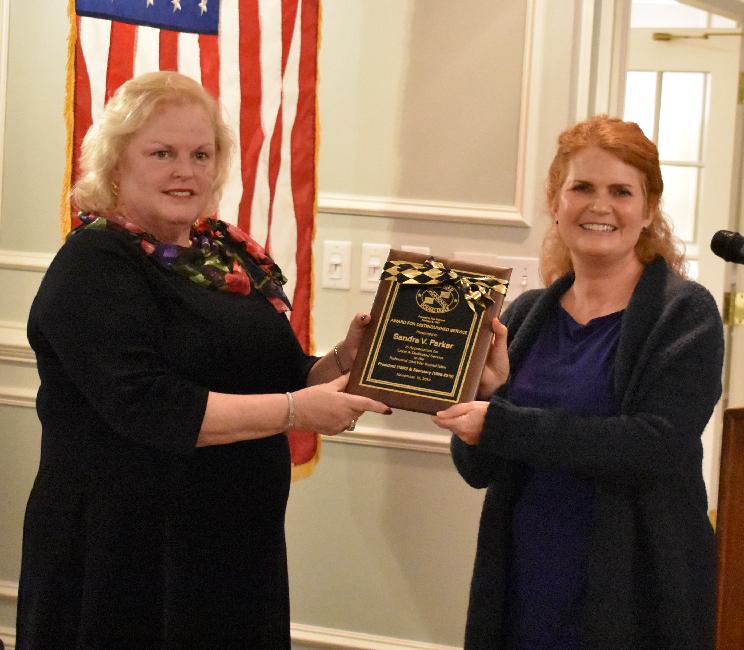
Message from Our President Dear Members, At our annual banquet meeting, Sandy Parker was presented with an award for decades of distinguished service to the Richmond Civil War Round Table for her hard work as our secretary. Sandy joins an esteemed group of members who were granted lifetime membership in the RCWRT: Jack Ackerly, Ed Bearrs, Hobson Goddin, and Judge Doug Tice. Please join us in December as we elect executive committee members and vote on constitutional changes. If you're interested in serving our round table in some capacity, please let us know.
 As I moved past tables of pistols, shoulder arms, knives, swords, and a
wide variety of cannon shot and shell at Richmond's annual Civil War
Show in November, I reflected on the men who fought, suffered, and died
in the war of 1861-1865. I can imagine my own ancestor, Lemuel
Duckworth, spending a bitter cold Christmas Eve as a POW at Belle Isle
in December 1864. It's not hard to believe that he must have missed
family and friends and longed for the warmth and comfort of his own
hearth. General Robert E. Lee wrote a poignant letter to his wife on
Christmas Day, two weeks after the battle of Fredericksburg and said:
"What a cruel thing is war; to separate and destroy families and
friends, and mar the purest joys and happiness God has granted us in
this world; to fill our hearts with hatred instead of love for our
neighbors, and to devastate the fair face of this beautiful world! I
pray that, on this day when only peace and good-will are preached to
mankind, better thoughts may fill the hearts of our enemies and turn
them to peace." In one of the most inspiring and memorable speeches in
American history, Abraham Lincoln lifted up our grieving citizenry to
advocate for forgiveness. "With malice toward none; with charity for
all; with firmness in the right, as God gives us to see the right, let
us strive on to finish the work we are in; to bind up the nation's
wounds; to care for him who shall have borne the battle, and for his
widow, and his orphan-to do all which may achieve and cherish a just,
and a lasting peace, among ourselves, and with all nations."
Forgiveness, which is so important to people on an individual level, is
equally so to a nation that is tested by civil war.
It has been my great honor to serve the Richmond Civil War Round Table
over the past three years. My great-grandfather, Moses T. Duckworth,
was the SVC and Adjutant Sergeant Major of Cutler Post #502 of the GAR
and my great-grandmother, Anna Haddix Duckworth, served in this post's
WRC. My wish at the new year for the RCWRT is that it will continue to
thrive and attract new members to study the Civil War, the most
important historical event in our country's history after its founding.
I can think of no one nicer to pass the gavel to than Rob Monroe, and
after him, Doug Crenshaw, and after him Ulli Baumann. We are truly
blessed.
Elaine
As I moved past tables of pistols, shoulder arms, knives, swords, and a
wide variety of cannon shot and shell at Richmond's annual Civil War
Show in November, I reflected on the men who fought, suffered, and died
in the war of 1861-1865. I can imagine my own ancestor, Lemuel
Duckworth, spending a bitter cold Christmas Eve as a POW at Belle Isle
in December 1864. It's not hard to believe that he must have missed
family and friends and longed for the warmth and comfort of his own
hearth. General Robert E. Lee wrote a poignant letter to his wife on
Christmas Day, two weeks after the battle of Fredericksburg and said:
"What a cruel thing is war; to separate and destroy families and
friends, and mar the purest joys and happiness God has granted us in
this world; to fill our hearts with hatred instead of love for our
neighbors, and to devastate the fair face of this beautiful world! I
pray that, on this day when only peace and good-will are preached to
mankind, better thoughts may fill the hearts of our enemies and turn
them to peace." In one of the most inspiring and memorable speeches in
American history, Abraham Lincoln lifted up our grieving citizenry to
advocate for forgiveness. "With malice toward none; with charity for
all; with firmness in the right, as God gives us to see the right, let
us strive on to finish the work we are in; to bind up the nation's
wounds; to care for him who shall have borne the battle, and for his
widow, and his orphan-to do all which may achieve and cherish a just,
and a lasting peace, among ourselves, and with all nations."
Forgiveness, which is so important to people on an individual level, is
equally so to a nation that is tested by civil war.
It has been my great honor to serve the Richmond Civil War Round Table
over the past three years. My great-grandfather, Moses T. Duckworth,
was the SVC and Adjutant Sergeant Major of Cutler Post #502 of the GAR
and my great-grandmother, Anna Haddix Duckworth, served in this post's
WRC. My wish at the new year for the RCWRT is that it will continue to
thrive and attract new members to study the Civil War, the most
important historical event in our country's history after its founding.
I can think of no one nicer to pass the gavel to than Rob Monroe, and
after him, Doug Crenshaw, and after him Ulli Baumann. We are truly
blessed.
Elaine
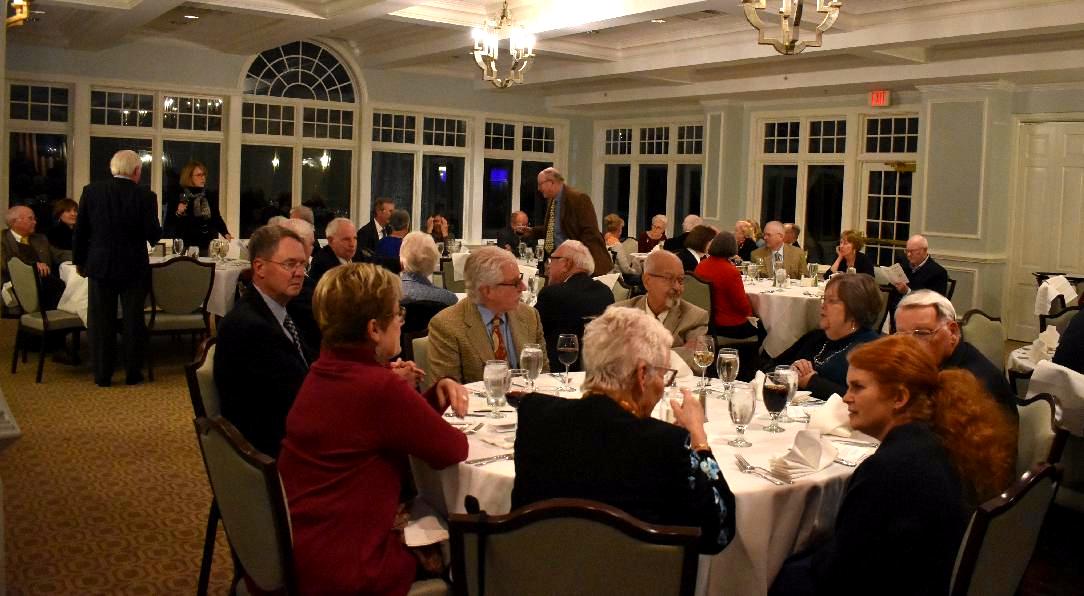
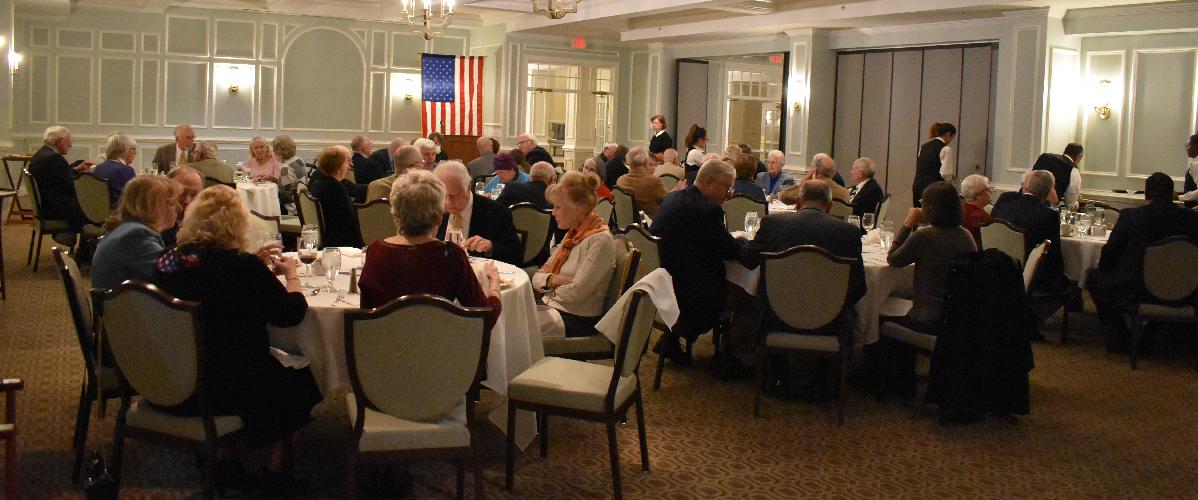
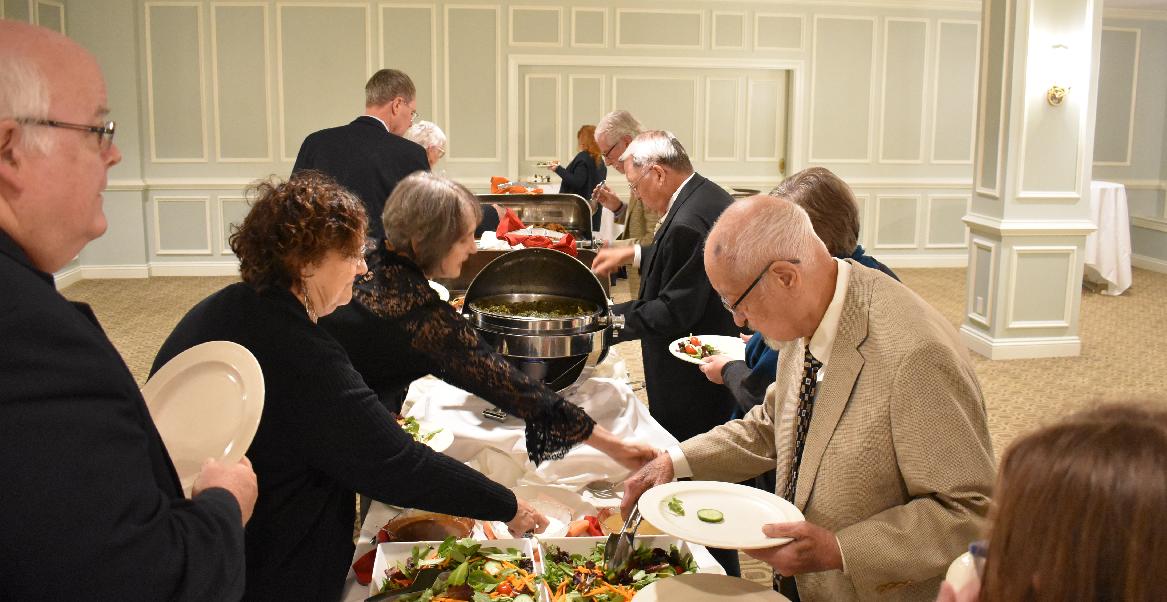
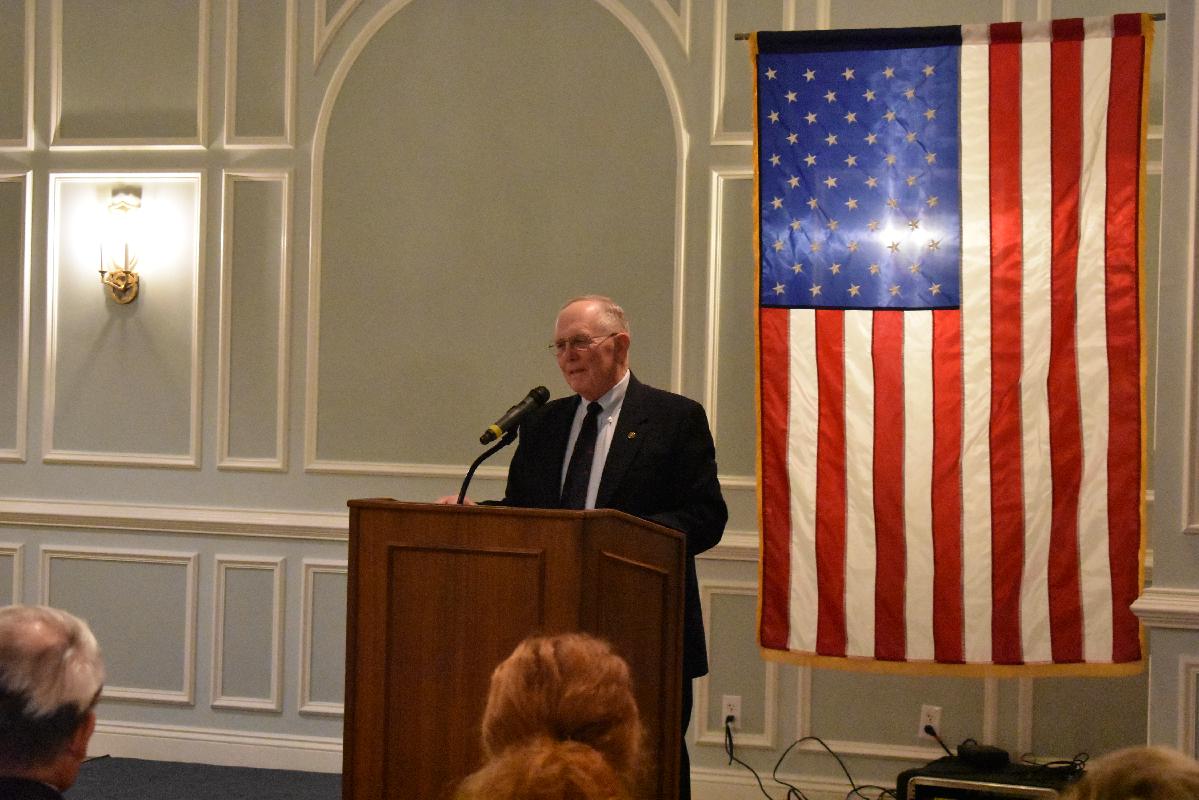
THE RCWRT 2018 DINNER
Upcoming Events/Links
National Park Service Richmond
Richmond Battlefields Association News & Events www.saverichmondbattlefields.org/events.htm
Visit the American Civil War Museum at Tredegar and the White House of the Confederacy www.acwm.org
Pamplin Historical Park and The National Museum of the Civil War Soldier www.pamplinpark.org
Chambersburg Civil War Seminars & Tours civilwarseminars.org
RCWRT Monthly Speakers for 2018
Return to News Letters Index Return to main page

©R.C.W.R.T. 2018